The African continent, often depicted in global media through a lens of challenges, has in recent years demonstrated remarkable resilience and strategic foresight in the realm of public health emergency response. Faced with a history of infectious disease outbreaks, from Ebola to cholera, and the more recent COVID-19 pandemic, African nations have been compelled to develop and refine systems that not only react to crises but also proactively work to prevent them. This journey is not merely about survival; it is about building a sustainable framework for health security that respects the unique socio-economic and cultural landscapes of the continent. The narrative is shifting from one of vulnerability to one of vigilant action, where lessons from the past are forging a more prepared future.
The cornerstone of Africa's evolving response strategy is the enhancement of early warning systems. Recognizing that time is the most critical resource in any outbreak, countries have invested significantly in integrated disease surveillance networks. These systems leverage a combination of community health workers, digital technology, and traditional reporting mechanisms to detect unusual health events at their very inception. In remote villages, a community health worker equipped with a mobile phone can now report suspected cases of a febrile illness to a district health office in real-time. This data is then aggregated at national and regional levels, allowing for a panoramic view of potential threats. The Africa Centres for Disease Control and Prevention (Africa CDC) plays a pivotal role in this architecture, serving as a continental hub for information sharing and coordination. By moving from a passive, siloed approach to an active, interconnected one, the continent is building a digital immune system designed to sound the alarm long before an emergency spirals out of control.
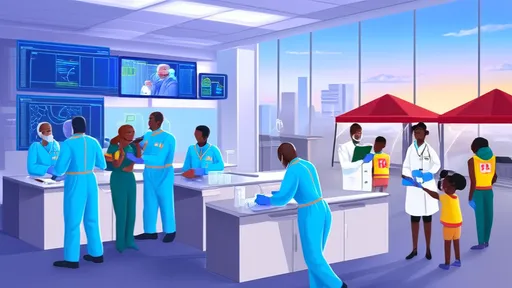
Parallel to surveillance is the critical need for robust laboratory capacity. A suspicion of an outbreak is only as good as the test that confirms it. Historically, many African nations relied on sending samples to reference laboratories in Europe or America, a process that could take weeks and delay crucial responses. Today, there is a concerted drive to build in-country and regional laboratory networks capable of diagnosing a wide range of pathogens. This involves not only infrastructure—building and equipping Biosafety Level 2 and 3 labs—but also a massive investment in the human workforce. Training programs for virologists, microbiologists, and lab technicians are creating a homegrown cadre of experts who can independently identify and characterize threats. This self-reliance is transformative; it means that when a new pathogen emerges, African scientists are at the forefront of the investigation, generating the data needed to inform local and global action.
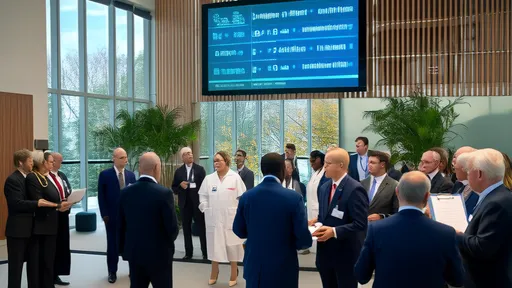
However, systems and laboratories are futile without the ability to deploy a rapid and effective response on the ground. This is where the concept of public health emergency funds and rapid response teams comes into play. Many African nations, having learned from the financially crippling experience of scrambling for funds during the 2014 West African Ebola outbreak, have established national public health emergency funds. These are pre-allocated pools of money that can be immediately accessed at the declaration of an emergency, bypassing bureaucratic delays. Coupled with this financial readiness are trained, multi-disciplinary rapid response teams. These teams, often comprising epidemiologists, logisticians, risk communicators, and infection prevention and control specialists, are on standby to be deployed to a hotspot within 24 to 48 hours. Their mission is to contain the outbreak at its source, conducting contact tracing, setting up isolation units, and engaging with local communities. This "boots-on-the-ground" approach is the sharp end of the spear in the continent's defense strategy.
Perhaps the most complex and vital component of Africa's health emergency strategy is risk communication and community engagement. Top-down directives and military-style containment have repeatedly proven ineffective in the African context, where trust in authorities can be fragile and community structures are paramount. The successful response to an outbreak hinges on the cooperation of the people. Consequently, there is a growing emphasis on involving community leaders, religious figures, and local healers from the very beginning. Messaging is tailored to be culturally sensitive and delivered in local languages, addressing rumors and misinformation head-on. During the COVID-19 pandemic, we saw radio dramas explaining transmission, local musicians composing songs about handwashing, and community dialogues to address vaccine hesitancy. This approach recognizes that a public health emergency is not just a biomedical crisis but a social one, and winning the trust of the community is as important as developing the vaccine.
Looking ahead, the path is fraught with both challenges and opportunities. Climate change, increasing urbanization, and heightened global interconnectivity present new frontiers for disease emergence and spread. Yet, the experience forged in the fires of past outbreaks has created a continent that is more alert and better coordinated than ever before. The establishment of the African Medicines Agency and the push for regional manufacturing of vaccines and therapeutics are testaments to a forward-looking vision of health sovereignty. Africa's story in public health emergency response is no longer one of waiting for external salvation. It is a story of vigilance, where watchful eyes monitor the horizon for the next threat. It is a story of action, where homegrown systems and expertise spring into motion to protect its people. This proactive stance, built on collaboration, innovation, and a deep respect for community, is not just safeguarding Africa; it is enriching the global tapestry of health security, offering invaluable lessons in resilience to the entire world.
By /Oct 14, 2025

By Daniel Scott/Oct 14, 2025

By /Oct 14, 2025

By Thomas Roberts/Oct 14, 2025

By /Oct 14, 2025
By /Oct 14, 2025
By Amanda Phillips/Oct 14, 2025

By Thomas Roberts/Oct 14, 2025

By /Oct 14, 2025

By /Oct 14, 2025
By /Oct 14, 2025
By Megan Clark/Oct 14, 2025

By /Oct 14, 2025

By /Oct 14, 2025
By /Oct 14, 2025
By John Smith/Oct 14, 2025

By Ryan Martin/Oct 14, 2025

By Benjamin Evans/Oct 14, 2025

By /Oct 14, 2025

By /Oct 14, 2025
