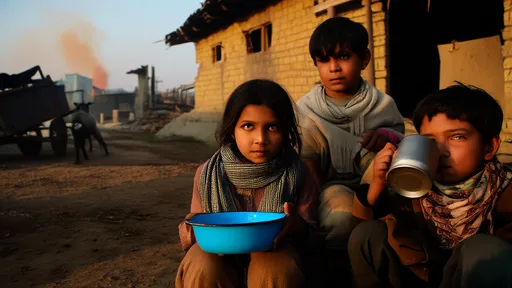
In the shadow of falling shells and amidst the rubble of shattered cities, a silent emergency unfolds—one that claims young lives not through direct violence, but through the slow, cruel mechanisms of hunger and malnutrition. The plight of children trapped in conflict zones represents one of the most severe humanitarian challenges of our time. Their survival hinges not just on immediate safety from bullets and bombs, but on the fundamental, daily access to adequate nutrition, a necessity that war systematically dismantles.
The very infrastructure of life collapses when conflict erupts. Markets that once brimmed with food are deserted or destroyed. Supply routes, the lifelines for communities, are severed by front lines or deliberately blocked as a tactic of war. Farmers are forced from their land, and agricultural cycles are irrevocably broken. In this new, brutal economy, the price of a simple bag of flour or a liter of cooking oil can skyrocket beyond the reach of most families. For parents, the desperate calculus begins: how to feed their children with nothing.
For the youngest and most vulnerable, the consequences are catastrophic. Infant mortality rates soar in these environments. The simple act of breastfeeding, a child's first and most potent defense against disease and starvation, becomes immensely challenging for mothers who are themselves undernourished, dehydrated, and living in a state of perpetual terror. The stress and trauma of conflict can physically inhibit milk production, creating a vicious cycle where a mother cannot nourish her newborn. For infants who cannot be breastfed, the situation is even more dire. The clean water and formula required for safe bottle-feeding are often unavailable, leading to a heightened risk of waterborne diseases and severe acute malnutrition.
As children grow older, the nutritional deficits incurred in early childhood cast a long shadow. This is not merely about hunger pangs; it is about the systemic failure of the body and mind to develop. Chronic malnutrition, or stunting, is a common sight in prolonged conflicts. It is a condition that impairs physical growth, leaving children too small for their age, but its most damaging effects are on cognitive development. The brain, in its critical formative years, is starved of essential nutrients, leading to irreversible deficits in learning ability, memory, and future potential. A generation is being shaped not by education and play, but by scarcity and trauma, their intellectual futures compromised before they have even begun.
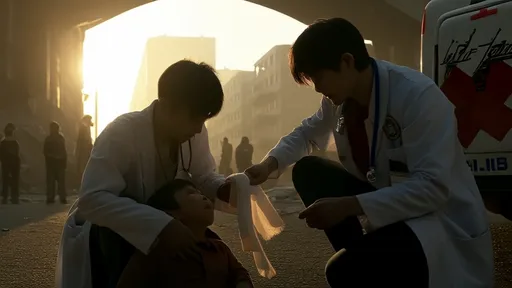
The descent from hunger into full-blown malnutrition is a medical emergency. Wasting, the rapid loss of body weight and muscle mass, turns children into frail, listless versions of themselves. Their immune systems, weakened by the lack of vital vitamins and minerals, collapse. They become terrifyingly susceptible to diseases that would be mere inconveniences in peacetime—diarrhea, measles, respiratory infections—but in their condition, become death sentences. In overcrowded and unsanitary displacement camps, where clean water is a luxury and medical care is sparse, these common illnesses sweep through the child population with devastating efficiency.
Beyond the physical destruction of markets and farms, conflict creates a deep-seated food insecurity that lingers for years, even after the guns fall silent. The psychological toll on families is immense. Parents, grappling with their own trauma and loss, face the unbearable agony of being unable to provide the most basic care for their children. They are often forced to make impossible choices, reducing meal portions, skipping meals themselves, or resorting to negative coping mechanisms like selling off last remaining assets or pulling children out of school to beg or work. The social fabric, which in stable times provides a safety net, frays and tears under the strain.
The delivery of aid itself is a battlefield. Humanitarian workers operate in the crosshairs, their convoys of life-saving therapeutic food and medical supplies often blocked, looted, or bombed. The principles of neutrality and impartiality are frequently disregarded by warring parties, who may use starvation as a deliberate weapon of war. Getting a single packet of ready-to-use therapeutic food to a severely malnourished child in a besieged town can be a mission fraught with peril, bureaucratic obstruction, and political gamesmanship. The very act of saving a life is politicized.
For children who survive, the scars are not only physical. The experience of profound hunger and the constant anxiety over food leaves deep psychological wounds. This toxic stress can alter brain architecture and lead to long-term mental health issues, including anxiety, depression, and post-traumatic stress disorder. The trauma of war is compounded by the trauma of hunger, creating a burden that a child carries for a lifetime. Their worldview is shaped by loss and deprivation, impacting their ability to form relationships, trust others, and build a stable life in the future.
Addressing this crisis requires a paradigm shift in how the international community responds to conflict. It is not enough to broker ceasefires or provide emergency food drops, though these are urgently needed. The response must be integrated, recognizing that nutrition, health, water, sanitation, and protection are inextricably linked. This means ensuring that food aid is nutritionally specific, designed for the delicate needs of young children and pregnant women. It means rehabilitating water and sanitation systems to prevent disease from claiming the lives of those weakened by hunger. It means supporting local health systems, often the last line of defense for millions, with the supplies and trained personnel needed to treat malnutrition and its complications.
Ultimately, the most effective solution is the prevention of conflict itself. While diplomats and politicians negotiate, however, millions of children live in the grim reality of war. For them, our collective failure to protect their right to food and survival is a daily sentence. Their emaciated bodies and haunted eyes are the most damning indictment of our global conscience. They do not need our sympathy from a distance; they need our unwavering action, our political will, and a reaffirmation of the fundamental principle that no child, anywhere, should be starved by war.
By /Oct 14, 2025
By Daniel Scott/Oct 14, 2025

By /Oct 14, 2025
By Thomas Roberts/Oct 14, 2025

By /Oct 14, 2025

By /Oct 14, 2025
By Amanda Phillips/Oct 14, 2025

By Thomas Roberts/Oct 14, 2025

By /Oct 14, 2025

By /Oct 14, 2025
By /Oct 14, 2025
By Megan Clark/Oct 14, 2025

By /Oct 14, 2025

By /Oct 14, 2025
By /Oct 14, 2025
By John Smith/Oct 14, 2025

By Ryan Martin/Oct 14, 2025

By Benjamin Evans/Oct 14, 2025

By /Oct 14, 2025

By /Oct 14, 2025
