In the quiet hum of every kitchen, the refrigerator stands as a silent guardian of our health and well-being. Yet, within its cool confines lies a potential battleground where invisible threats can compromise the very nourishment it is meant to preserve. The simple act of storing food is far more than a matter of convenience; it is a critical practice in food safety. Among the most vital principles to master is the strategic separation of raw and cooked foods. This isn't merely an organizational tip from a lifestyle magazine; it is a fundamental rule backed by microbiology and public health science, designed to create a formidable barrier against the unseen danger of cross-contamination.
The enemy we are guarding against is microscopic. Raw foods, particularly animal products like poultry, meat, seafood, and eggs, are frequent carriers of pathogenic bacteria such as Salmonella, E. coli, Listeria, and Campylobacter. These microorganisms exist naturally on the surface of raw meat or within its juices. They are not a sign of spoilage in themselves; they are often present on products that look, smell, and feel perfectly fresh. The danger arises when these bacteria are provided with a pathway to migrate. This migration, known as cross-contamination, is the primary mechanism through which foodborne illnesses begin their journey from the refrigerator to our digestive systems.
Imagine a package of raw chicken breasts placed on a shelf above a bowl of fresh, crisp salad greens or a platter of sliced fruit. Even in the cold environment of the fridge, it is not uncommon for a small amount of liquid—a drip of blood or water—to escape from the packaging. That single droplet, teeming with millions of bacteria, can fall downward, directly contaminating the ready-to-eat food below. The salad, which will not be cooked before consumption, now harbors these pathogens. The heat of an oven or stove, which would normally kill such bacteria on the raw chicken, is never applied to the greens. The result is a direct route to a potential infection. This vertical hazard is one of the most common and preventable scenarios in kitchen safety.
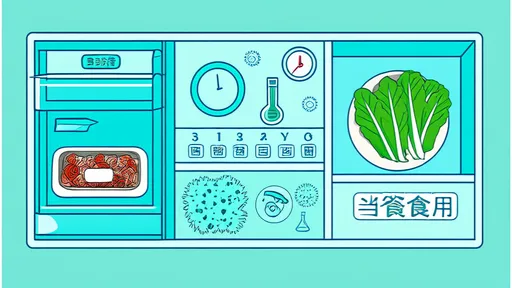
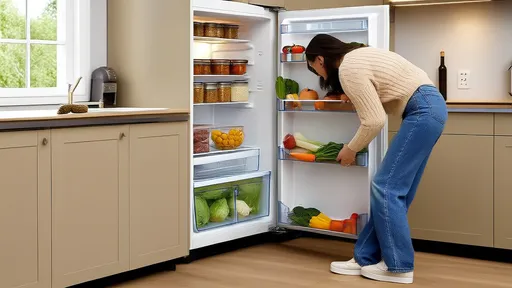
The solution is elegantly simple: a strict hierarchy of storage. By thinking of your refrigerator in distinct layers or zones, you can create a physical defense system. The golden rule is to always store cooked and ready-to-eat foods above raw foods. This ensures that any accidental drips or leaks from raw products travel downward, away from items that are safe to consume without further cooking. The lowest shelves should be dedicated to your rawest ingredients. This is the designated zone for raw meat, poultry, and seafood. Many modern refrigerators even have a dedicated drawer or chilled compartment at the bottom for this very purpose, containing any potential spills and keeping these items as cold as possible.
The middle shelves of the refrigerator offer a more stable temperature, making them ideal for dairy products like milk, yogurt, and cheese, as well as eggs. While eggs are often raw inside their shells, their placement here is a compromise between safety and function, as they are less likely to drip and cause contamination compared to unpackaged meat. The upper shelves, enjoying the warmest and most consistent temperature in the fridge, are the prime real estate for your safest foods. This is where leftovers, cooked meats, prepared salads, deli meats, yogurt, and anything else that is ready to be eaten immediately should reside. By placing these items at the top, you shield them from any potential hazards below.
Doors are the warmest part of the refrigerator, subject to temperature fluctuations every time the door is opened. They are unsuitable for highly perishable items like milk or raw meat. Instead, reserve this space for condiments, juices, butter, and other items that are less susceptible to spoilage. Finally, the crisper drawers at the bottom are perfect for isolating produce—your fruits and vegetables. Keeping them in drawers not only maintains humidity for freshness but also provides a physical barrier, protecting them from any airborne particles or splashes and containing any soil or natural bacteria they might carry themselves.
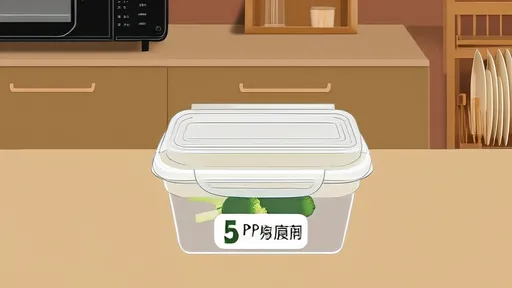
Proper packaging is the unsung hero of this defensive strategy. It acts as the first and most important container, preventing leaks and containing pathogens. Never place raw meat, poultry, or fish directly on a shelf, even if it's on the bottom. Always keep it in its original store packaging, but ensure it is secure. For an extra layer of protection, especially if the packaging seems flimsy, place the entire package on a plate, in a bowl, or inside a reusable plastic container. This secondary containment will catch any leaks before they ever reach the shelf. For foods you bring home from the butcher or fishmonger, or if you've repackaged items for freezing, use airtight, leak-proof containers or high-quality freezer bags. Similarly, always store leftovers in sealed containers rather than simply covering a plate with foil or plastic wrap, which can be easily punctured or dislodged.
The philosophy of separation extends beyond mere shelf placement. It is a mindset that should govern all your actions in the kitchen. Use separate cutting boards for raw meats and ready-to-eat foods—color-coded boards are an excellent tool for this. Use different utensils for handling raw and cooked items. Most importantly, practice impeccable hygiene. Wash your hands thoroughly with soap and water before and after handling any raw food. Clean and sanitize any surfaces, knives, or tools that come into contact with raw juices immediately after use. This 360-degree approach ensures that you are not inadvertently transferring bacteria from the fridge to your countertops and back again.
Adopting this method of refrigerator organization requires a small initial investment of thought and effort, but the payoff is immense. It transforms your appliance from a passive cooling box into an active partner in safeguarding your family's health. It brings order, reduces food waste by preventing premature spoilage, and simplifies meal preparation. Knowing exactly where everything is located and that it is stored safely saves time and reduces stress. More importantly, it provides peace of mind. In a world full of uncertainties, taking definitive control over something as fundamental as the safety of your food is a powerful and rewarding practice. It is a quiet commitment to health, a simple ritual that fortifies your home against illness and turns the daily act of nourishment into a confident, safe, and enjoyable experience.
By /Aug 20, 2025
By /Aug 20, 2025

By /Aug 20, 2025

By /Aug 20, 2025
By /Aug 20, 2025

By /Aug 20, 2025
By /Aug 20, 2025

By /Aug 20, 2025
By /Aug 20, 2025
By /Aug 20, 2025

By /Aug 20, 2025
By /Aug 20, 2025

By /Aug 20, 2025
By /Aug 20, 2025

By /Aug 20, 2025

By /Aug 20, 2025

By /Aug 20, 2025
By /Aug 20, 2025

By /Aug 20, 2025
By /Aug 20, 2025
