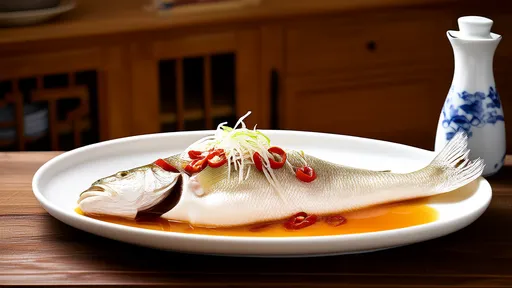
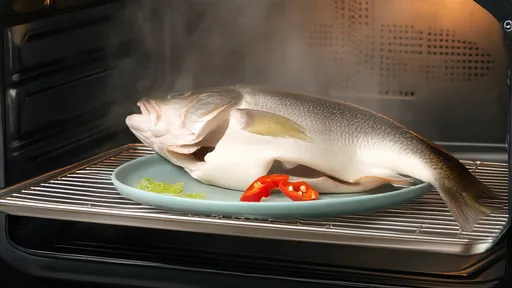
Steaming fish in the microwave might sound unconventional to some, but it is a method that has quietly gained traction among home cooks and professional chefs alike for its efficiency and remarkable results. The technique, which involves covering the fish with a damp kitchen paper, not only simplifies the cooking process but also ensures the fish remains exceptionally moist and tender. This approach challenges traditional stovetop steaming, offering a modern twist that aligns with today’s fast-paced lifestyles without compromising on quality or flavor.
At the heart of this method is the understanding of how microwaves work. Unlike conventional ovens that heat food from the outside in, microwaves penetrate the food and excite water molecules, generating heat from within. This can sometimes lead to uneven cooking or dryness if not managed properly. However, by using a damp kitchen paper to cover the fish, we create a micro-environment of steam that surrounds the fish during cooking. This steam conducts heat more gently and evenly than the microwave alone, mimicking the effect of a traditional steamer while leveraging the speed of microwave technology.
The choice of covering material is crucial. While some might opt for plastic wrap or lids, wet kitchen paper stands out for its breathability and safety. Plastic wrap can melt or leach chemicals into food when exposed to high heat, and lids might trap too much steam, leading to overcooking. Kitchen paper, when dampened, allows just the right amount of moisture to evaporate and surround the fish, preventing it from drying out while avoiding the risks associated with plastics. It’s a natural, accessible, and effective barrier that locks in the fish’s inherent juices.
Preparation begins with selecting the right type of fish. Firm-fleshed varieties such as cod, salmon, sea bass, or snapper work best, as they hold their shape well during cooking. The fish should be fresh, ideally never frozen, to achieve the optimal texture. Before cooking, pat the fish dry and season it lightly with salt, pepper, and perhaps a slice of ginger or a sprig of herbs to enhance its natural flavors. Place the seasoned fish on a microwave-safe plate, and then cover it entirely with a sheet of kitchen paper that has been run under water and wrung out so it is damp but not dripping.
The cooking time varies depending on the thickness of the fish and the power of your microwave. As a general rule, allow about three to four minutes per half-inch of thickness on high power. It’s better to undercook slightly and check than to overcook, as the fish will continue to cook from residual heat once removed from the microwave. To test for doneness, insert a fork into the thickest part; the flesh should flake easily and appear opaque throughout. If it still looks translucent, return it to the microwave for another 30 seconds and check again.
One of the standout advantages of this method is its ability to preserve the nutritional integrity of the fish. Steaming is widely recognized as one of the healthiest cooking methods, as it requires little to no added fat and helps retain water-soluble vitamins that might be lost through boiling or frying. The microwave accelerates this process, reducing the cooking time so significantly that nutrients have less time to break down. The result is a dish that is not only tender and flavorful but also packed with the essential nutrients that make fish a dietary cornerstone.
Beyond health and efficiency, this technique offers remarkable consistency. Traditional steaming can be fiddly, requiring careful monitoring of water levels and heat to avoid boiling dry or generating too much steam. The microwave, by contrast, offers precise control with its timer and power settings. When combined with the damp kitchen paper, it creates a foolproof system that delivers perfectly steamed fish every time, even for those who might be less confident in the kitchen. It’s a method that democratizes good cooking, making it accessible to all.
Flavor infusion is another area where this method excels. The damp kitchen paper seal traps aromatics alongside the fish, allowing their essences to penetrate deeply. Imagine adding lemon slices, fresh dill, or thin scallion rings under the paper cover—as the fish steams, these flavors meld seamlessly into the flesh, creating a complex taste profile with minimal effort. This is a significant improvement over dry microwave cooking, which often fails to integrate added flavors effectively, leaving them separate and underdeveloped.
Some might worry about the environmental impact of using kitchen paper regularly. While it is a disposable product, there are ways to mitigate this concern. Opt for unbleached, recycled kitchen paper to reduce ecological footprint. Alternatively, consider reusing the paper if it remains intact after cooking—though for food safety, it’s best to use a fresh sheet each time for raw fish preparations. For those who steam frequently, investing in a reusable microwave steamer basket made of silicone or glass might be a worthwhile alternative, though the kitchen paper method remains unmatched for its simplicity and effectiveness.
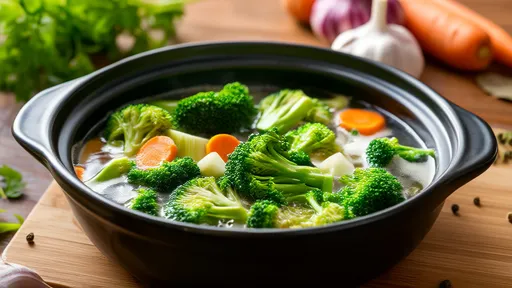
In terms of versatility, the technique isn’t limited to fish alone. It can be adapted for vegetables, poultry, or even dumplings, providing a quick steam without specialized equipment. For instance, broccoli florets or chicken breast covered with damp kitchen paper will cook evenly and stay juicy. This expands the utility of the microwave beyond mere reheating, transforming it into a legitimate tool for primary cooking that deserves a permanent place in our culinary repertoire.
Critics of microwave cooking often cite a loss of texture or flavor, but this method directly counters those arguments. The steam generated by the damp paper ensures that the fish’s surface doesn’t become rubbery or tough, a common pitfall when microwaving protein without protection. Instead, the flesh emerges silky and moist, comparable to—if not better than—stovetop steaming. It’s a revelation for anyone who has dismissed the microwave as only suitable for popcorn or leftovers.
To integrate this into your routine, start with a simple recipe. Take a fillet of salmon, season with salt and pepper, lay a few lemon slices on top, and cover with damp kitchen paper. Microwave on high for three to four minutes depending on thickness. Let it rest for a minute before serving. You’ll be astonished at the restaurant-quality result achieved in minutes with minimal cleanup. The paper can be discarded, and the plate is likely the only item to wash, making it an ideal solution for busy weeknights or solo dinners.
In conclusion, steaming fish with wet kitchen paper in the microwave is more than a kitchen hack; it’s a sophisticated cooking technique that leverages modern technology to achieve ancient culinary ideals. It emphasizes moisture retention, flavor preservation, and nutrient conservation, all while saving time and reducing hassle. As we continue to seek ways to balance quality with convenience in our cooking, methods like this will undoubtedly become staples, redefining what our kitchen appliances can do and elevating everyday meals into experiences worth savoring.

By /Aug 20, 2025
By /Aug 20, 2025
By /Aug 20, 2025

By /Aug 20, 2025
By /Aug 20, 2025

By /Aug 20, 2025
By /Aug 20, 2025
By /Aug 20, 2025
By /Aug 20, 2025
By /Aug 20, 2025

By /Aug 20, 2025
By /Aug 20, 2025

By /Aug 20, 2025
By /Aug 20, 2025
By /Aug 20, 2025
By /Aug 20, 2025
By /Aug 20, 2025

By /Aug 20, 2025
By /Aug 20, 2025
By /Aug 20, 2025
